71917 ACD/P4ADBC
71900 Series Super Precision Angular Contact Ball Bearings
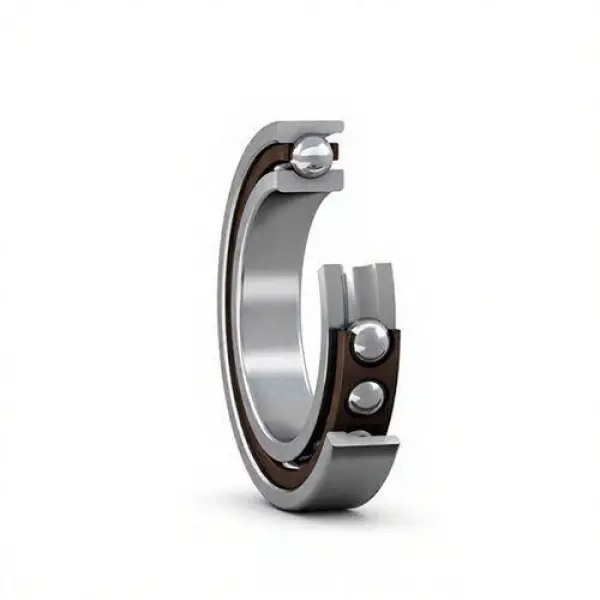

Image may differ from product. See technical specification for details.
Basic Information
Main Dimensions
Ball & Washer Dimensions
Performance
Materials
- Fast delivery
- Enjoy discounts on bulk purchases
- Secure Payment
- Fast Global Shipping
71917 ACD/P4ADBC Bearing Product Overview & Core Advantages
The 71917 ACD/P4ADBC is a precision duplex angular contact ball bearing designed for applications requiring exceptional rotational accuracy and rigidity. This back-to-back (DB) matched pair features a moderate preload (Class C), enabling it to handle significant combined loads—simultaneously supporting substantial radial and bidirectional axial forces. Manufactured to P4A tolerance class, it delivers superior running accuracy and is ideal for high-speed, high-rigidity applications in demanding industrial environments.
71917 ACD/P4ADBC Bearing Model Code Explained, Specifications & Naming Convention
- 71917: Basic bearing designation (85mm bore, 120mm OD, 36mm width)
- AC: Angular Contact design with a 25° contact angle
- D: Indicates the bearing is part of a Duplex (matched pair) set
- P4A: Super-precision tolerance class for exceptional running accuracy
- DB: Duplex Back-to-Back mounting arrangement
- C: Moderate preload classification for optimal rigidity
71917 ACD/P4ADBC Bearing Structural Features & Performance Benefits
High Rigidity & Load Capacity: The back-to-back duplex arrangement creates a rigid bearing system that effectively resists moment loads and handles combined radial and axial loads in both directions. The 25° contact angle is optimized for axial load carrying capacity.
Precision Performance: Manufactured to P4A tolerance class with tight dimensional tolerances (bore/OD: -0.004mm to 0), this bearing ensures minimal runout and vibration for high-precision applications.
High-Speed Capability: The phenolic cage provides excellent strength-to-weight ratio, reducing centrifugal forces and enabling operation at limiting speeds up to 28,000 rpm. The open design allows for efficient lubrication management.
Premium Material Construction: Both rings and balls are manufactured from chrome steel, providing high hardness, wear resistance, and long service life under demanding operating conditions.
71917 ACD/P4ADBC Bearing Typical Application Areas
The 71917 ACD/P4ADBC is ideally suited for precision applications requiring high rigidity and accuracy, including:
- Machine tool spindles for milling, grinding, and turning centers
- High-speed machining centers and precision manufacturing equipment
- Industrial pumps and compressors requiring precise shaft positioning
- Precision gearboxes and transmission systems
- Robotic arm joints and automation equipment
- Aerospace positioning systems and flight control mechanisms